
In 2026, the landscape of raising children has shifted dramatically. The era of “all-or-nothing” parenting philosophies—where parents felt forced to choose between the rigid strictness of traditional methods and the total softness of early “gentle parenting”—is officially over.
Taking its place is Hybrid Parenting, a balanced, flexible approach that experts are calling Authoritative 2.0. This trend isn’t just a buzzword; it’s a direct response to the parental burnout and “boundary confusion” that defined the early 2020s. Today’s parents are prioritizing long-term resilience over short-term compliance.1
What Exactly is Hybrid Parenting?
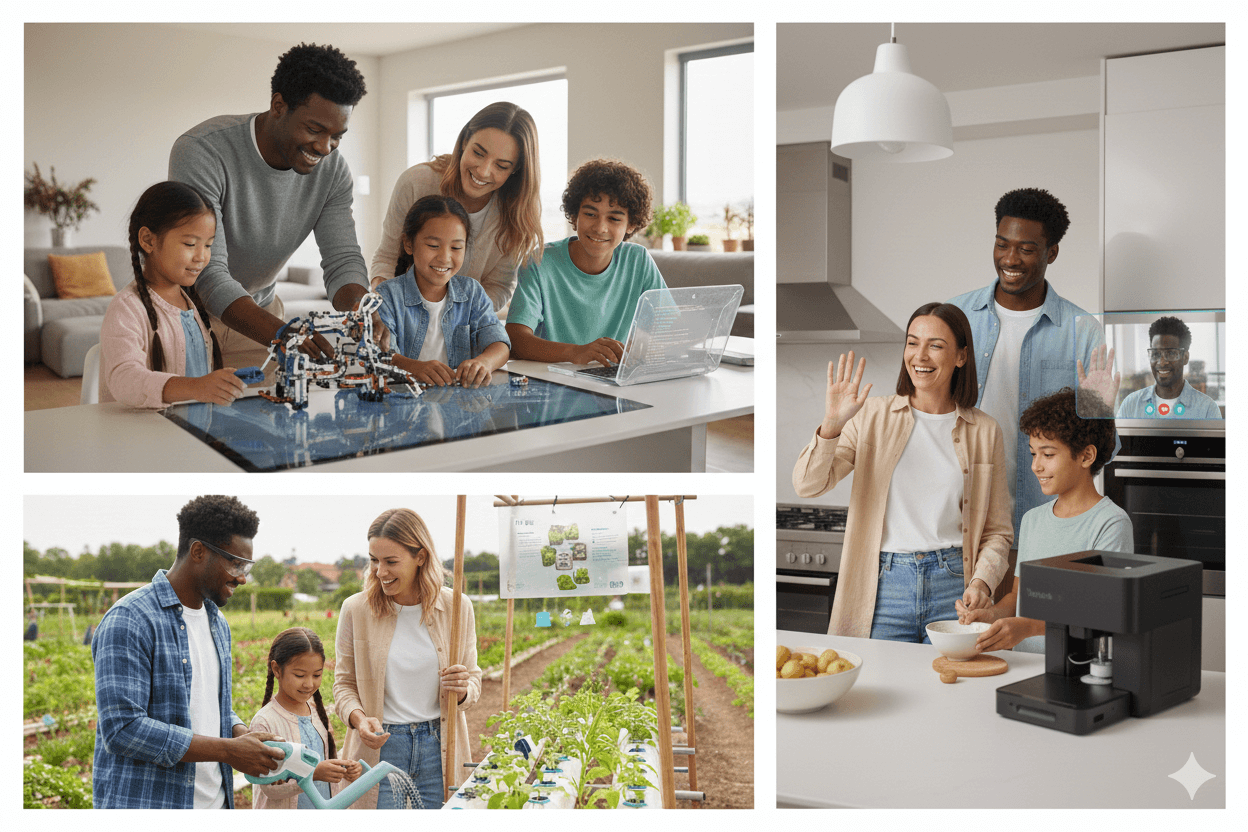
Hybrid Parenting is the intentional blending of diverse parenting styles to meet the unique emotional and developmental needs of a modern family.2 In 2026, this primarily looks like a combination of high emotional empathy (derived from Gentle Parenting) and high structural boundaries (the hallmark of Authoritative Parenting).
Instead of following a rigid script found in a book, Hybrid Parents use a technique known as “Boundaries with Empathy.” It acknowledges that a child’s feelings are always valid, but their behaviors often require correction and redirection. This “Best of Both Worlds” approach helps children feel secure through structure while feeling seen through emotional connection.
The Four Key Pillars of Hybrid Parenting in 2026:
- Co-Regulation over Control: Rather than just “managing” a tantrum through punishment, parents work with the child to regulate their nervous systems. This technique is heavily supported by modern research in Positive Psychology.
- Friction-Maxxing for Resilience: A trending 2026 concept where parents intentionally allow children to face “healthy” inconveniences. Whether it’s waiting their turn for a toy or solving a simple puzzle without immediate parental intervention, these moments build the “grit” necessary for adulthood.
- The Analog/Digital Split: While parents use AI tools to optimize their own professional and domestic schedules, they are increasingly choosing “low-stim” or screen-free environments for their infants and toddlers to protect cognitive development.
- Sustainable Stewardship: Modern parenting now includes the “gear” we use. Hybrid parents prefer modular, “grows-with-me” furniture that reduces environmental impact, aligning with the values of the World Wildlife Fund (WWF) regarding sustainable consumption.
Why It’s Ranking #1 for 2026 Parents
The shift toward a hybrid model is driven by a desire for functional peace. Recent data from the Pew Research Center indicate that 2026 parents value honesty, adaptability, and resilience above the “perfect” behavior seen in previous generations.
The social media “perfection” of the 2010s has been replaced by radical authenticity. Parents are now more likely to share their struggles than their successes, creating a community-wide shift toward the Hybrid model.
| Feature | Old Trend (2020-2024) | New Hybrid Trend (2026) |
| Primary Goal | Perfection & Performance | Resilience & Authenticity |
| Discipline Style | Punitive or Zero-Boundaries | Logical & Natural Consequences |
| Technology Use | Default Entertainment | AI “Co-Pilot” for Admin Only |
| Nursery Aesthetic | “Millennial Gray” | Functional, Green & Sustainable |
How to Implement Hybrid Parenting at Home
If you’re looking to integrate this top 2026 trend into your daily routine, start with these three “Hybrid Wins”:
1. Validate the Emotion, Not the Action
This is the “Golden Rule” of 2026. If your toddler hits because they are frustrated, a Hybrid parent says: “I see you are very angry that we have to go, but I will not let you hit. We are going to sit here together until your body feels calm, and then we will walk to the car.” This validates the child’s feeling without condoning the violence.
2. Utilize AI for the “Mental Load”
Parental burnout is often caused by the “mental load” of management. Use AI to automate your grocery lists, meal planning, or drafting school emails. By offloading these administrative tasks, you save your “human energy” for high-quality, screen-free interaction with your child.
3. Shift from “Time-Outs” to “Time-Ins”
Instead of isolating a child when they misbehave, the Hybrid model suggests a “Time-In” where the parent stays close to help the child process the big emotion. Once the child is calm, the boundary (the consequence) is discussed and enforced.
The Verdict for 2026
Hybrid Parenting is more than a fleeting trend; it is a sustainable evolution of the family unit. By moving toward the Authoritative 2.0 model, parents are finding that they don’t have to be “perfect” to be effective. They just need to be present, empathetic, and—most importantly—firm in their core values. As we move further into 2026, expect to see this balanced approach become the global standard for the next generation of leaders.
Would you like me to create a 2026-themed “Analog” toy shopping guide to help you implement the Analog/Digital split in your home?
Expert insights on 2026 parenting trends This video provides a deep dive into Authoritative 2.0 and why moving toward self-regulation is the defining shift for families this year.
Latest Posts
- How to Find Biological Siblings with AI Name Matching: A Complete Guide
- The Future of Family: Why Hybrid Parenting is the Top Trend of 2026
- Smart Sleep Showdown: SNOO, Cradlewise, & FDA Monitors
- The Essential Blueprint: Creating a Will and Guardianship for New Parents
- Financial Planning Tips for New Parents: A Complete 2025 Guide


