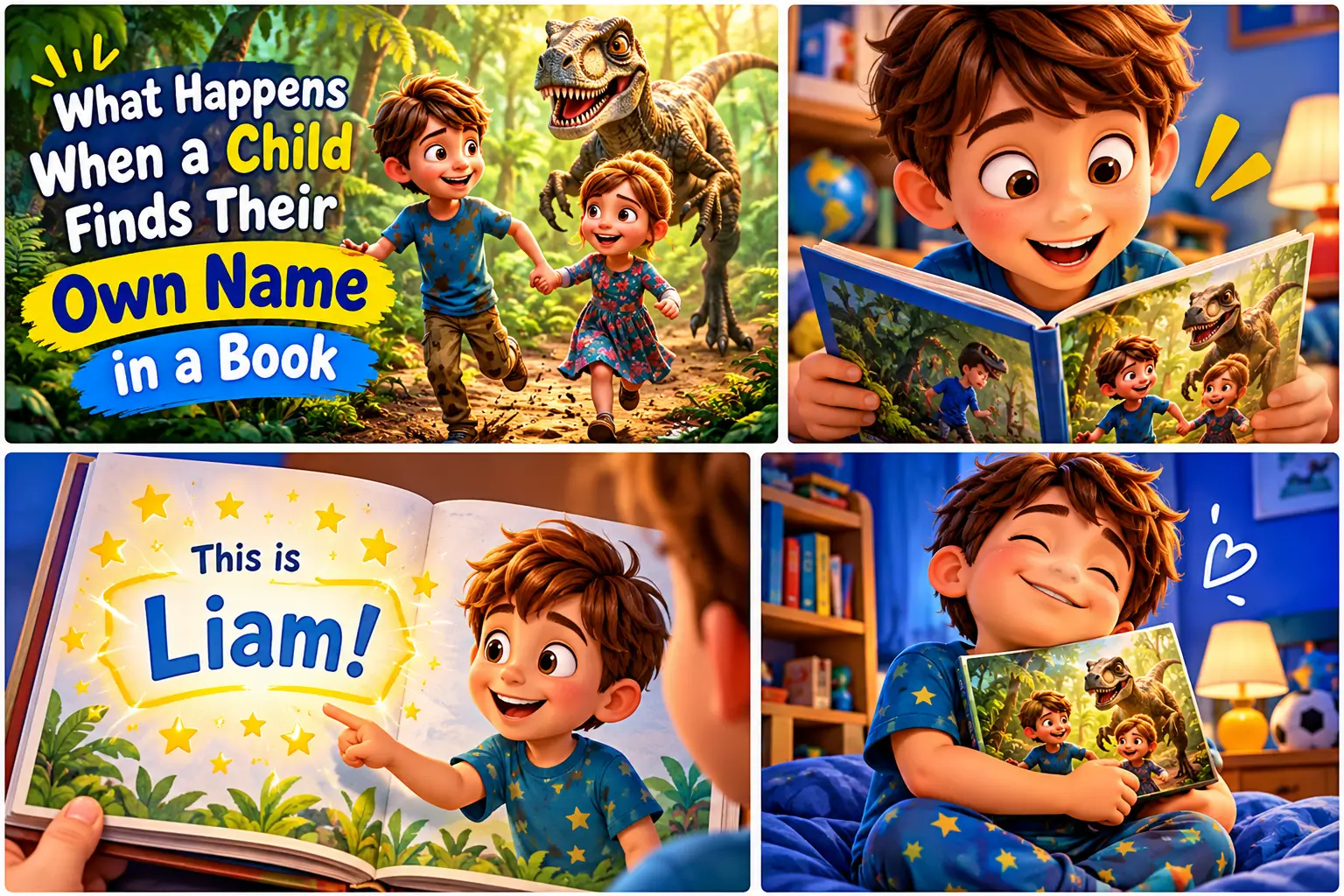
Ask any preschool teacher which word a four-year-old can read first, and the answer is almost always the same. It isn’t “cat” or “dog.” It’s their own name. Kids learn the shape of those few letters early because they see them everywhere: on their cubby at daycare, on birthday cards, on the drawings stuck to the fridge. Their name is the first piece of writing that belongs to them.
That small fact explains a lot about why personalized storybooks have become such a popular gift for young children. A book where the main character has your child’s name, and now often your child’s face, uses the one word they already care about most as a way into reading.
Kids like stories about themselves, and that’s fine
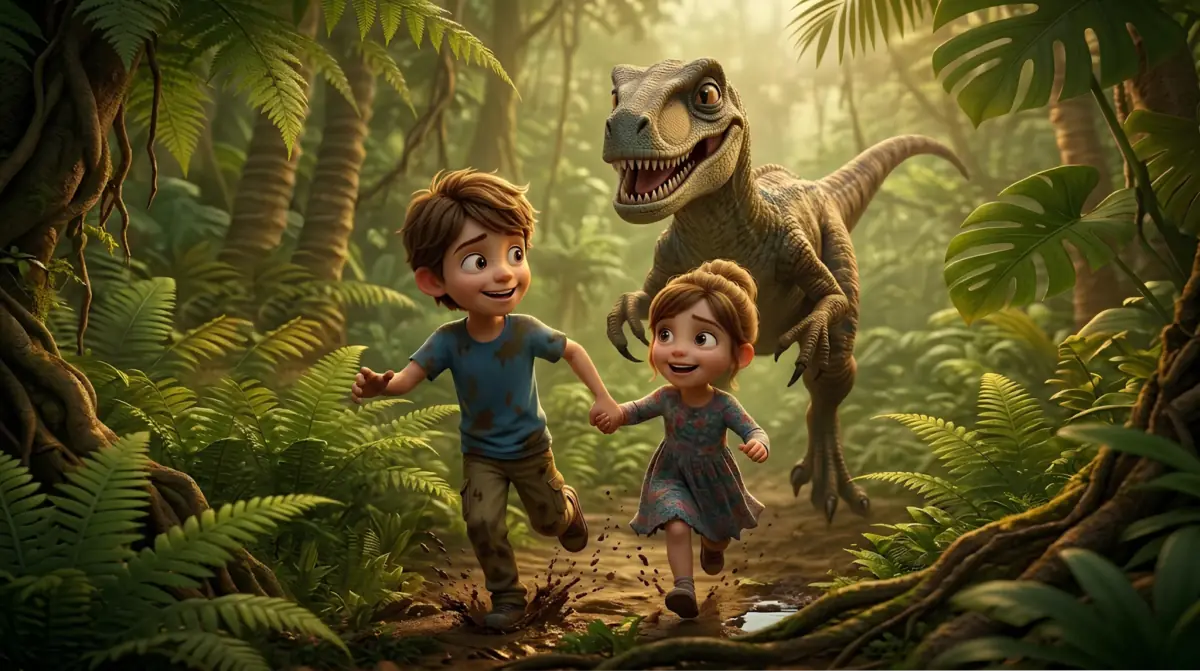
Toddlers and preschoolers are working out who they are. They want to know what they’re good at, who’s in their family, and what they’d do if something exciting happened. Most picture books ask them to imagine being someone else, which is valuable too. A personalized book flips that around and asks them to imagine themselves doing something brave or funny or kind.
Parents who have tried one tend to notice the same thing. The child asks for it again the next night, and the night after that. Rereading the same book over and over can drive adults a little mad, but it’s good for kids. Each pass through a familiar story helps them pick up new words, follow the plot more closely, and start predicting what comes next. A book they actually want to hear twenty times is doing real work.
For kids who are just starting to recognize letters, spotting their name on page after page turns into a quiet game. You’ll see a finger land on the page before you’ve finished reading the sentence.
From name swaps to books that look like your child
Personalized books have been around for decades, but the older versions were fairly limited. A company would take a fixed story, drop in a name, and print it. The character in the pictures was the same generic kid for everyone, so a dark-haired boy and a red-haired girl got exactly the same illustrations.
AI has changed what’s possible here. Instead of filling a name into a template, newer services can shape the story around a child’s age and interests and draw every page with a character who resembles them. With Little Hero Book’s AI personalized children’s books, for example, parents pick a story, add a few details about their child, upload a clear photo, and then read through a preview of the whole book before ordering a printed hardcover. You can also add a sibling, a grandparent, or the family dog, which tends to get a big reaction when the book arrives.
The difference matters more to kids than you might expect. A three-year-old won’t care much about the font or the page count, but they’ll notice right away whether the character in the pictures has their curly hair or their glasses.
Choosing one well
If you’re thinking about ordering a personalized book, start with the story itself. A cute concept doesn’t help if the book is too long for a toddler or too simple for a seven-year-old, so check the suggested age range. It also helps when the service lets you see the finished pages first and make changes, because a typo in a child’s name or a slightly odd illustration is much easier to fix before printing than after.
Print quality is worth a look too. These books get handled a lot, often by small sticky hands, and a sturdy hardcover holds up far better than a thin paperback.
Then there’s the photo. Uploading a picture of your child to any website deserves a moment of thought, so read how the company handles it. A good service will say plainly how long the photo is kept, whether it’s deleted once the book is made, and whether it’s ever shared or used for anything else. If that information is hard to find, take it as a reason to look elsewhere.
When a personalized book makes the most sense
Birthdays and holidays are the obvious occasions, and they work well. Some of the best uses are a bit less obvious, though. A story where your child becomes a big sister or big brother can open up conversations about a new baby before it arrives. Grandparents who live far away often like sending one because it feels more personal than a toy. And a picture book made with your child’s own photo can help with a first day of school or a move to a new house, because the child gets to see themselves handling something unfamiliar and coming out fine.
Reading it together
The book is only part of it. What you do while reading makes the bigger difference. Slow down at the pages where your child’s character makes a choice and ask what they would have done. Let them hunt for their name before you read each page. If the story takes place somewhere you can actually visit, like a farmers market or a park, go there and see if they bring the book up on their own. They usually do.
Most kids don’t become readers because someone told them reading was important. They get there because a few books grabbed them early and made them want more. Seeing themselves in a story is one of the simplest ways to make that happen, and the book usually ends up on the shelf long after they’ve outgrown it, still with their name on the cover.
Recent Posts
- What Happens When a Child Finds Their Own Name in a Book
- Trailies Reviews: Is the Body Safety System Worth It for Parents?
- How to Stop Toddler Meltdowns Without Yelling (As a Dad Who Lost His Temper)
- The Modern Parent’s Guide: How to Best Help Your Unemployed Adult Child
- Baby Daybook Tracker: The Ultimate Offline Routine & Health Log for Parents